Meet Lisa Mertz, J.D.:
I've Built My Career Figuring Out Complicated Things.
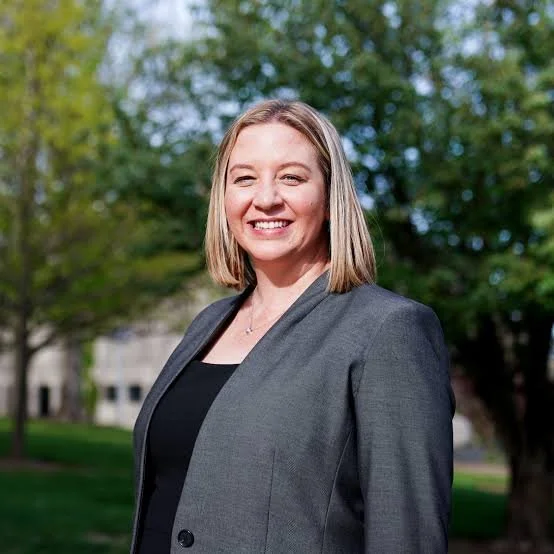
I'm Lisa Mertz, founder of Hope Harbor Solutions. My career has crossed healthcare, criminal justice, behavioral health, nonprofit leadership, law, government funding, accreditation, compliance, and program development. What connects all of it is the work I do best: learning complicated systems, figuring out what needs to happen, and turning requirements and ideas into something that actually works.
I created Hope Harbor Solutions to make that experience available to organizations and businesses that need more than advice. I bring the research, writing, judgment, organization, and execution needed to move difficult work forward.
Experience That Doesn’t Fit in One Box.

ACCREDITATION, CERTIFICATION & COMPLIANCE
CARF accreditation
The Joint Commission accreditation
Ohio Department of Behavioral Health certification
Ohio Recovery Housing certification
Ohio Medicaid requirements and regulatory changes
Policy development and compliance systems

GRANTS & PUBLIC FUNDING
Grant opportunity research and funding strategy
Federal, state, local and foundation grant writing
SAMHSA, OneOhio and Ohio Department of Behavioral Health funding
RFP and competitive application development
Program narratives, budgets and implementation plans
Grant reporting, compliance and performance tracking

PROGRAM DESIGN & IMPLEMENTATION
Criminal justice programming
Behavioral health and recovery programs
Peer support programs
Mobile response models
Program implementation and operational systems
Performance measurement and reporting

EXECUTIVE & ORGANIZATIONAL LEADERSHIP
Organizational strategy
Operations
Program expansion
Government and community partnerships
Budgets and funding
Accreditation and regulatory readiness
Turning ideas into operating programs

Three Degrees. Three Different Lenses.

APPLIED SCIENCE IN
NURSING TECHNOLOGY
2003 University of Cincinnati
A foundation in healthcare, clinical systems, documentation and patient centered environments.

BACHELOR OF SCIENCE IN
CRIMINAL JUSTICE
2015 University of Cincinnati
A deeper understanding of justice systems, policy, institutions and the intersection of public systems and human behavior.

JURIS DOCTOR,
Valedictorian
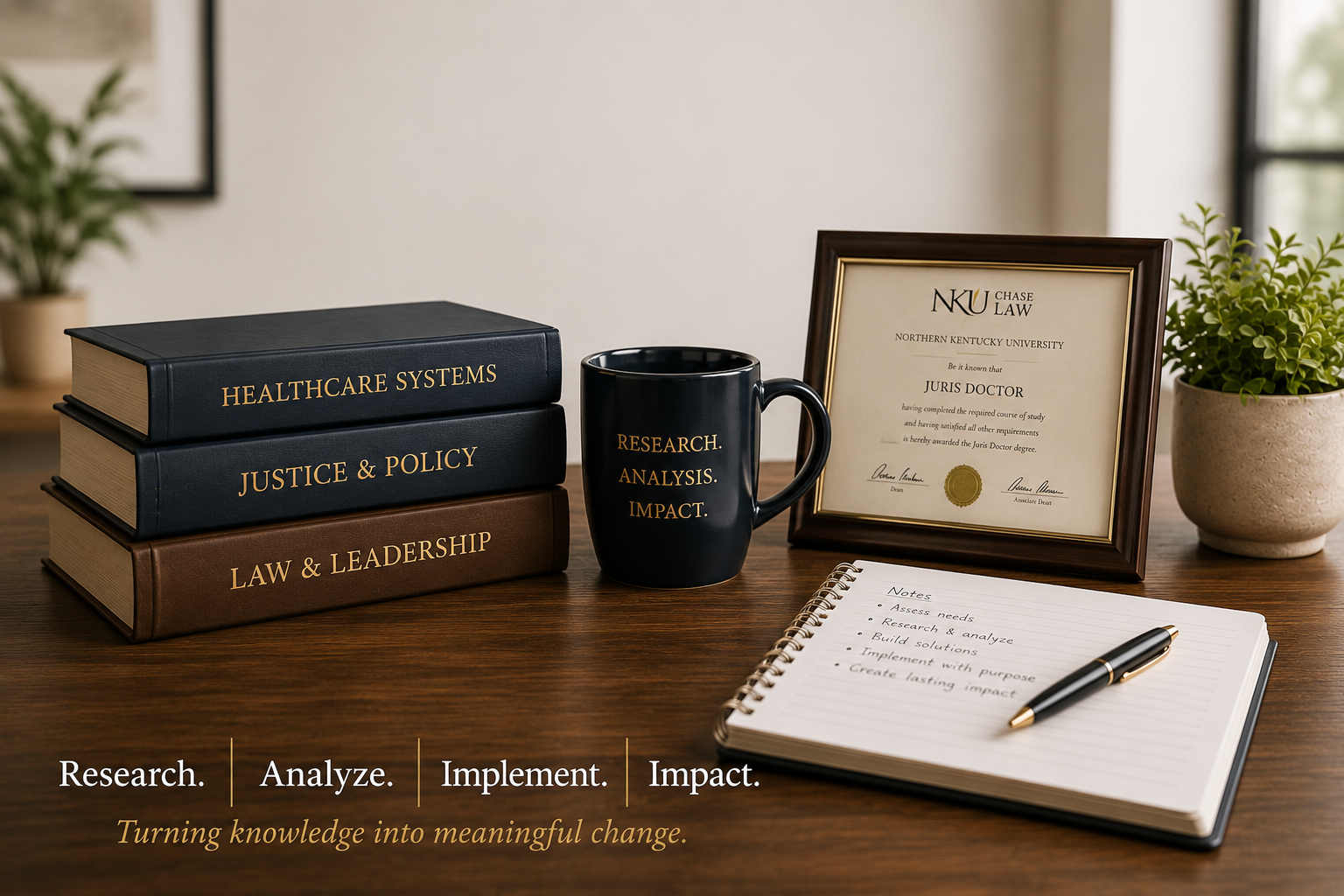
2025 NKU Chase College of Law
Advanced training in legal research, analytical reasoning, statutory and regulatory interpretation, writing and complex problem solving.
Healthcare taught me to understand systems where details matter.
Criminal justice taught me to understand institutions and the people within them.
Law sharpened my ability to research, analyze, interpret, and write.
I use all three.
I Don't Just Write Plans. I've Built Programs.
I've spent years taking programs from an idea on paper to services actually being delivered. I've developed, launched, expanded, and accredited programs in healthcare, behavioral health, recovery, and criminal justice settings.
That work has included home healthcare programs, intensive outpatient programs, criminal justice initiatives, peer support services, mobile response programs, treatment and recovery programs, and other community based services. I've worked through the pieces that determine whether a program actually succeeds: funding, regulations, certification and accreditation requirements, staffing models, policies and procedures, workflows, partnerships, budgets, documentation, data collection, performance measures, reporting, and day to day operations.
I understand how those pieces affect one another. A program can be clinically sound and still fail operationally. A strong grant proposal means very little if the organization cannot implement what it promised. A policy is only useful if staff can actually follow it. And meeting accreditation or regulatory requirements is not the same thing as building a program that works.
That's the perspective I bring to program development. I don't stop at telling you what the program should look like. I help build the systems, documents, processes, and infrastructure needed to make it real.
Because ultimately, I'm always thinking about the same question:
What does this actually look like on Monday morning?

I Actually Like the Hard Stuff.
Complicated doesn't intimidate me. Give me the requirements. Give me the regulations. Give me the RFP. Give me the half finished project, the new idea, the looming deadline, or the problem nobody has figured out yet.
I'll dig in.