
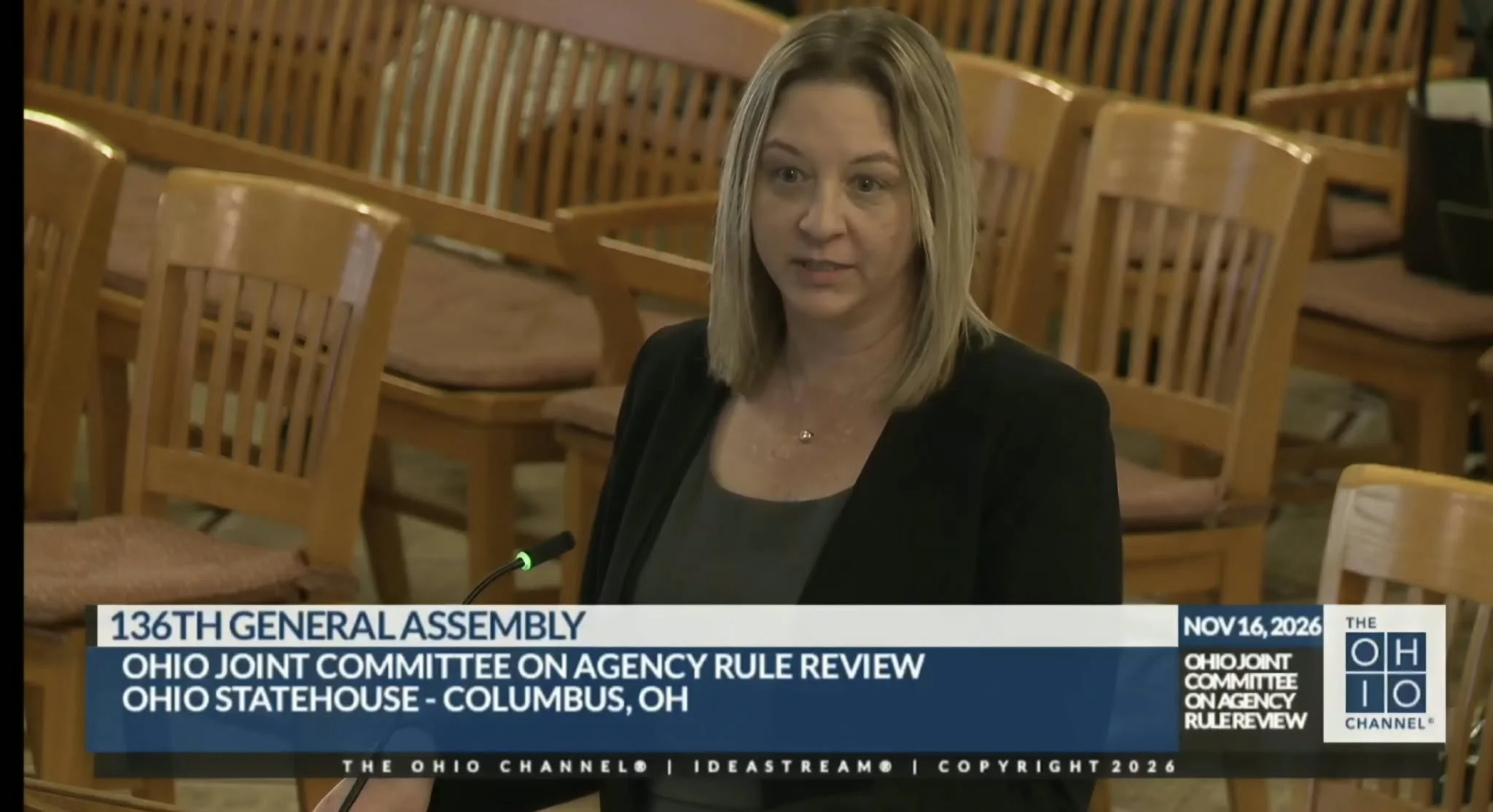
Ohio Recovery Housing Rules Advance Despite Opposition: What Happened, What's Next, and Why Every Operator Must Prepare
JCARR advanced Ohio's new recovery housing rules despite extensive opposition, and H.B. 58 could bring even more significant changes this week. From criminal enforcement and mandatory state certification to the elimination of the 18-month pathway for new residences, every operator needs to understand what's at stake. ORRPA breaks down what happened, what comes next, and how we're helping members prepare.


ORRPA Brings Recovery Housing Providers' Voices to Ohio's Rulemaking Process
ORRPA is making strides in representing Ohio's recovery housing providers. From meeting with state leadership to organizing testimony at the October 20 public hearing, we're bringing providers together to advocate for practical regulations, resident safety, and a stronger voice in shaping the future of recovery housing.

The Clock Is Running on Ohio’s Recovery Housing Rules
Ohio’s recovery housing rules are changing, but the August 10 emergency rules remain in effect today. See what DBH revised, what still concerns providers, and why the October 20 hearing and December 9 deadline matter.

DBH Heard Recovery Housing Providers. Now the Rules Are Changing.
Recovery housing providers spoke up, and DBH listened. Significant changes are underway. Here’s what changed, what’s next, and why now is the time for providers to stay involved.

Provider Input Is Changing Ohio’s Recovery Housing Rules: What Changed and What Happens Next
Ohio’s recovery housing rules are moving quickly, and provider input is already making a difference. DBH has announced significant revisions following stakeholder feedback, but the process is not over. Here’s what changed, what happens next, and why recovery housing providers need to organize now.

Ohio’s Proposed Recovery Housing Rules: What Providers Need to Be Paying Attention To
Ohio’s proposed recovery housing rules could significantly change how providers operate. From staffing and medication requirements to fire safety, disability access, resident rights, and background checks, here are some of the real world implications providers should be watching.